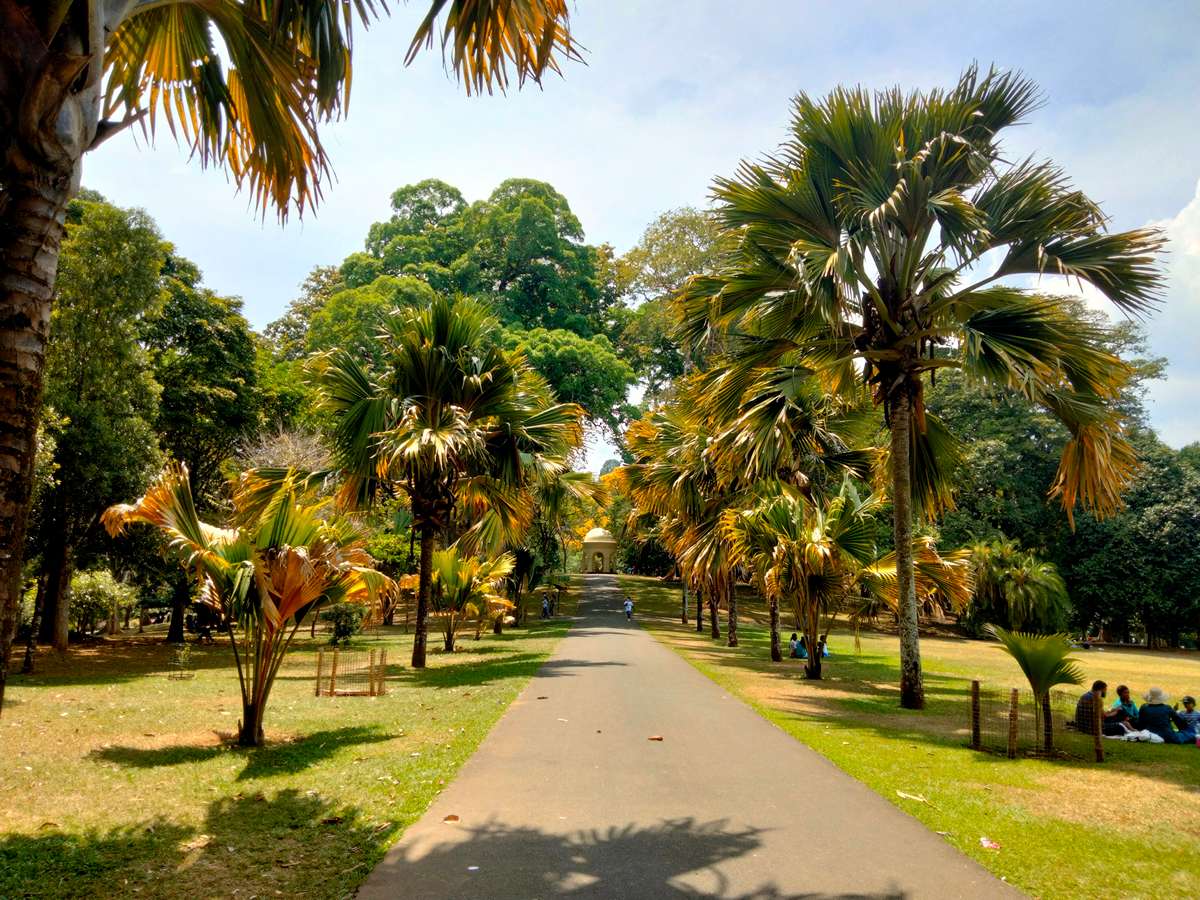
The Royal Botanic Gardens, also known as the Peradeniya Botanical Garden sprawling across 147 acres, is Sri Lanka’s largest such garden, and a symbol of Kandyan serenity. It’s a calm getaway from the busy city of Kandy, and is visited by millions of people both local and foreign, each year. Having been brought up in the hill country and schooled just a few kilometres away from the Royal Botanical Garden, I have admired this attraction since my childhood. Here’s a simple guide for you to get an idea about it if you are planning to visit the Peradeniya Botanical Garden.
1. Getting There
The gardens are located in Peradeniya, roughly 6 km west of Kandy city centre.
- By Threewheeler or Taxi: It takes about 10 – 15 minutes and costs between 500–800 LKR (depending on your negotiation skills). With Pickme app it will be much lower.
- By Bus: Take any bus heading toward Peradeniya from the Kandy Torrington Park bus stand. It’s a cheap 20-minute ride; just ask the conductor to drop you at the “Botanical Garden.” Penideniya, Peradeniya, Pilimathalawa, and Kadugannawa are some frequent buses you can take.
2. History and Importance
Though in a different setting, the garden’s roots go back to the 14th century (1371) when King Wickramabahu II kept court here. It served as a royal pleasure garden for the Kandyan kings until the British took control.
In 1821, the British formally established it as a botanical garden. Initially, it was used to experiment with crops like coffee, tea, nutmeg, and rubber—many of which went on to drive the Sri Lankan economy. The first tea plant was planted there by the British. Today, it is a world-class centre for plant conservation, housing over 4,000 species, including an impressive collection of orchids and palms.
3. Ticket Prices (2026)
Given below are the prices charged as of May 2026. Prices are subject to change by the Department of National Botanic Gardens.
- Foreign Adults: 3,540 LKR
- Foreign Children: 1,770 LKR
- Foreign Students: 2360 (upon prducing relevent IDs/docs)
- Local Adults: 236 LKR
- Local children: 59 LKR
- Opening Hours: 7:30 AM – 5:00 PM daily.
4. What to See and Duration
You should set aside at least 2 to 3 hours to walk the main loops, though plant enthusiasts can easily spend a whole day here. There is a taxi service inside the garden. You can hire a battery powered cart for 1 hour, and the driver will take you to the main attractions. A 4 seater cart or a 6 seater cart should be reserved at the counter on the left as you enter the garden, and wait until one arrives. They could usually cost LKR 2000-3000 per cart.
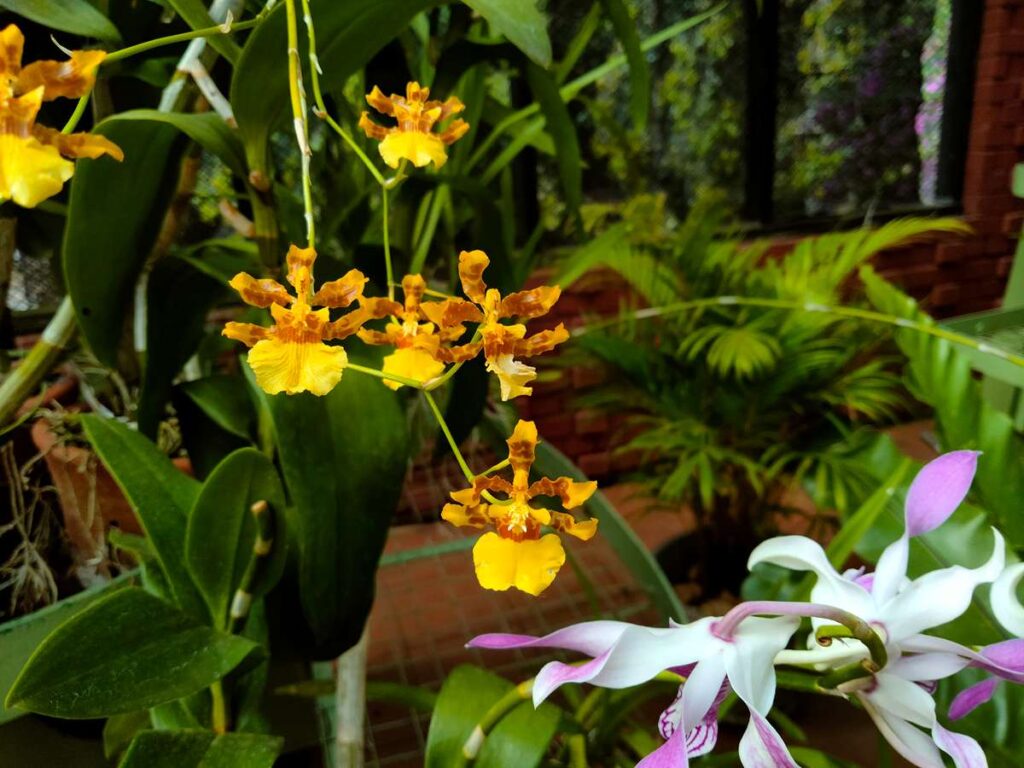
Key Highlights:
- The Orchid House: A stunning collection of over 300 varieties of orchids, including rare indigenous species.
- The Great Lawn: A massive, manicured open space perfect for a quiet rest. This is where you will see the giant Java Fig Tree (Fucus benjamina)
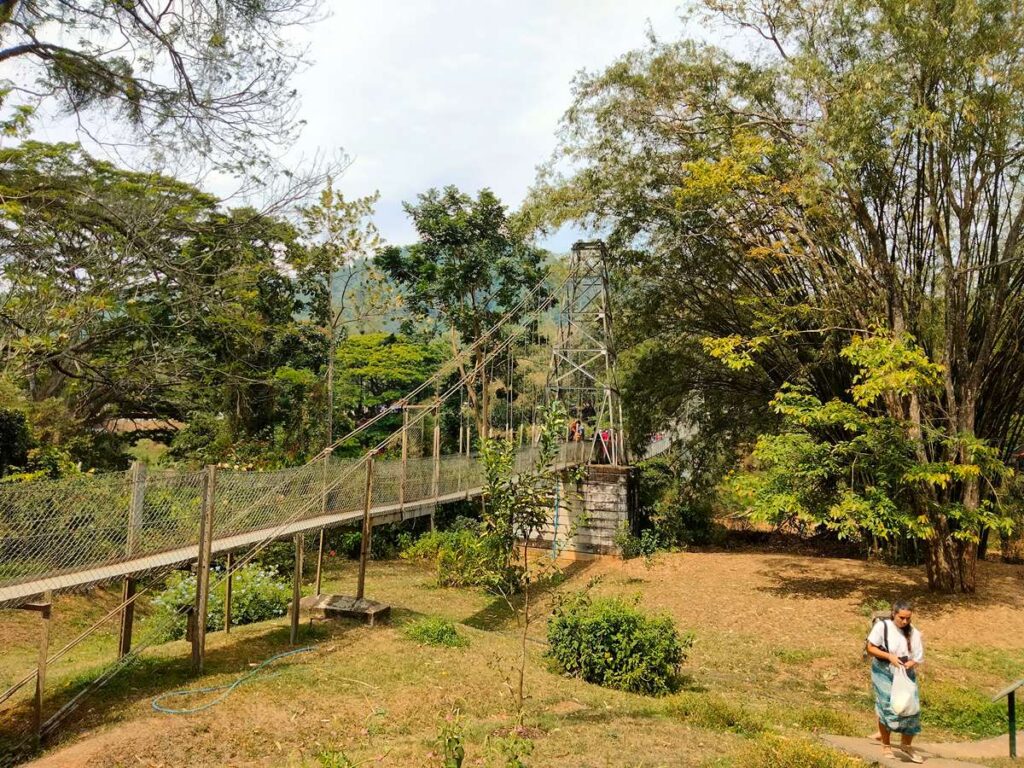
- The Suspension Bridge: Crossing the Mahaweli River (note: access is sometimes restricted for safety).
- Avenues of Palms: There are several, including the Cabbage Palm Avenue and the Royal Palm Avenue, which look like something out of a movie.
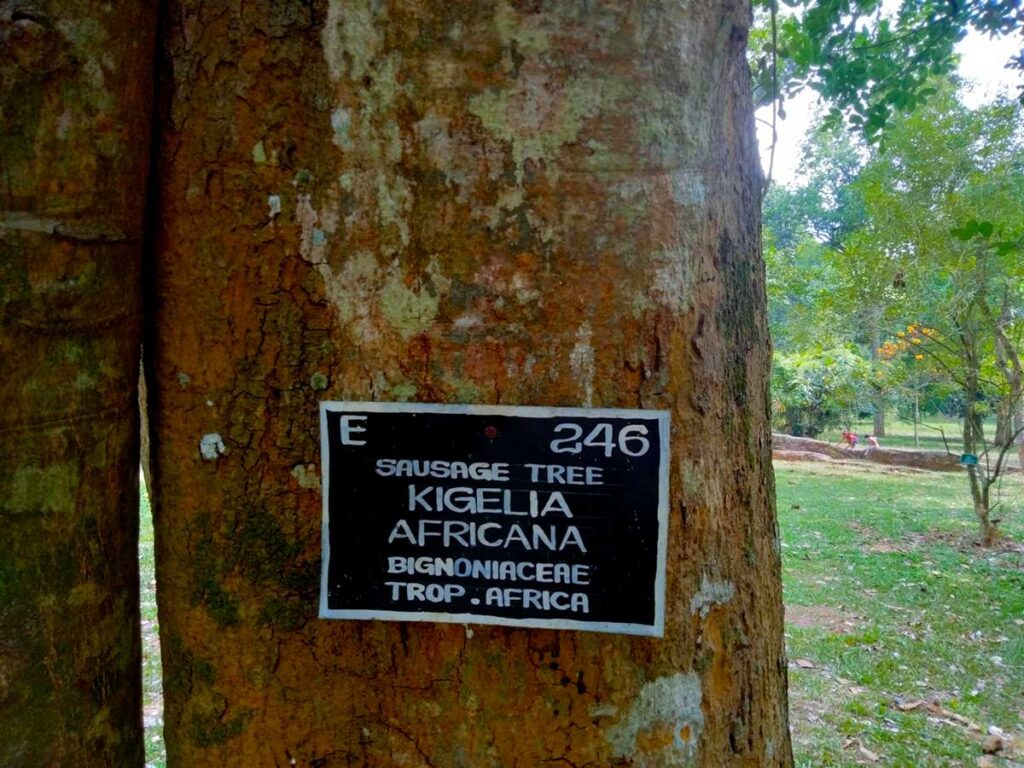
5. Famous Trees and Plants
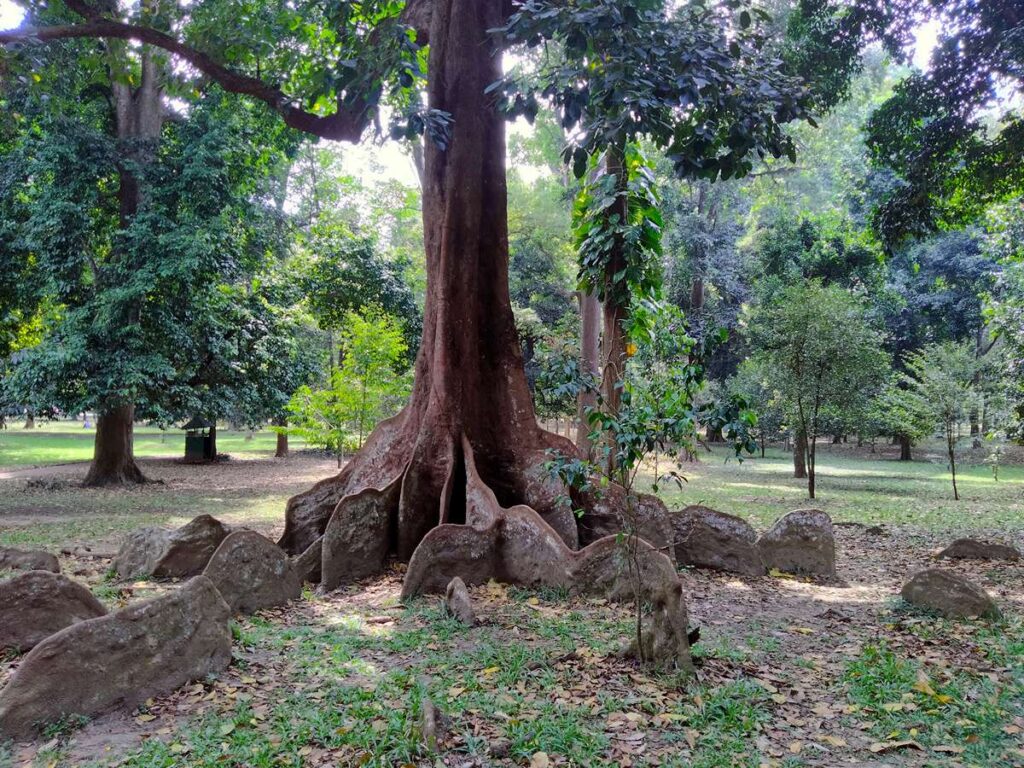
- Giant Javan Fig Tree: Located on the Great Lawn, this massive tree covers 1,600 square meters. A living umbrealla, its sprawling canopy and buttress roots make it the most photographed spot in the garden.
- Cannonball Tree: Planted by King George V and Queen Mary in 1901, it produces beautiful, fragrant flowers which hold a special place in Buddhism. The large inedible fruits that resembles cannonballs have given these trees their name.
- Double Coconut (Coco de Mer): A rare palm from the Seychelles that produces the largest and heaviest seed in the world, these trees are a special attraction for anyone. The seed lives approximately 10 years, which is why each seed has been numbered.
- The bat tree: So named by the locals due to thousands of bats that hang from this tree by the Mahaweli river. In the evening the flight back home of these bats literally darken the skies.
Important Tips
- Water: There are drinking water pipes from the main water line across the garden. But if you are not into drinking from the common tap, carry a bottle of water as this is a vast area and you won’t notice time go by. And on a sunny day you will need drinking water for a comfortable visit.
- Food: There’s a cafeteria inside the garden which serves good food although a little bit expensive than the average local restaurants by the road.
- Map: Take a look at the map at the entrance, and plan your route so you will walk less and will not miss anything. Google maps too can help you considerably.
I will keep adding more information as I get time. Please revisit this article later.


